

 LANGUAGE

 English
  Español
Lidding Film Manufacturers Guide: Types, Structures, and Selection Tips
When a consumer peels the lid off a yogurt cup or a tray of ready-to-eat pasta, they rarely think about the engineering behind that satisfying, clean opening. But for packaging buyers and brand owners, the lidding film is a critical performance component. It must seal securely across a range of tray materials, withstand temperature shifts from freezer to microwave, and still peel away predictably without tearing or leaving adhesive residue. This guide explains the structural options, selection criteria, and production considerations that define reliable lidding film manufacturers — and what you should check before placing your next order.
Content
- 1 What Is a Lidding Film?
- 2 Core Types of Lidding Films
- 3 Anatomy of a Lidding Film Structure
- 4 Sealing Compatibility: Tray Materials and Equipment
- 5 Key Applications Across Food Categories
- 6 What to Look for in Lidding Film Manufacturers
- 7 Working with a Lidding Film Manufacturer: The Process
- 8 Market Trends Shaping Lidding Film Manufacturing
- 9 Why Choose a Verified Manufacturer Like Hangzhou Zhiwei Packaging
- 10 Frequently Asked Questions About Lidding Film Manufacturers
What Is a Lidding Film?
A lidding film is a flexible packaging layer that seals onto the flange of a rigid tray, cup, or pot. Unlike a simple flexible pouch, a lidding film functions as a peelable or weldable closure. It protects the contents, extends shelf life, and provides a printable surface for branding and product information.
The film must match not only the food product but also the tray material, the filling line's sealing temperature and dwell time, and the distribution environment (chilled, frozen, or ambient). This is why lidding film manufacturers offer a broad range of structures rather than a one-size-fits-all solution.
Lidding Film vs. Rollstock vs. Pouch Film
Understanding where lidding film fits within flexible packaging helps buyers avoid common purchasing mistakes. Rollstock film wraps products or becomes a pouch after sealing. Pouch film is sealed on three sides to form a bag. Lidding film, however, is applied as a top seal onto a pre-formed rigid container. The sealing layer chemistry and peel properties are therefore the most critical elements to specify.
Core Types of Lidding Films
Lidding films are not a single product but a category with distinct performance tiers. The right choice depends on the oxygen and moisture sensitivity of the food, the required shelf life, and whether the package will be microwaved or baked. Below is a practical classification used by experienced lidding film manufacturers.
| Film Type | Barrier Level | Typical Applications | Key Properties |
|---|---|---|---|
| Non-Barrier | Low | Fresh produce, sandwiches, bakery items | Clear, economical, short shelf life |
| High-Barrier | High (EVOH, aluminum oxide) | Deli meats, cheeses, prepared meals | Low oxygen transmission, extended freshness |
| Specialty / Functional | Variable | Microwavable dishes, retort pouches, anti-fog salads | Heat tolerance, condensation control, puncture resistance |
According to industry analyses of the global lidding film market, high-barrier films represent the fastest-growing segment due to rising demand for fresh prepared foods with extended shelf life. However, non-barrier films remain important for cost-sensitive applications like in-store bakery trays.
Non-Barrier Lidding Films
These films typically consist of a polyester or polypropylene substrate with a heat-seal coating. They are chosen for short shelf life products, visual clarity, and low unit cost. They are not suitable for products requiring modified atmosphere packaging (MAP).
High-Barrier Lidding Films
High-barrier structures add an EVOH layer or a thin aluminum oxide coating to reduce oxygen and moisture transmission. They are essential for MAP packaging, where a precise gas mixture replaces ambient air to keep meat, fish, or pasta fresh for days or weeks. A reliable lidding film manufacturer will confirm the oxygen transmission rate (OTR) in cc/m²/24h and ensure consistency across production batches.
Specialty and Functional Lidding Films
Microwavable lidding films allow steam to vent without bursting, preventing messy explosions and uneven heating. Anti-fog films prevent condensation droplets from forming under the lid, which is crucial for chilled products with high water activity, such as fresh-cut fruit. These functional layers require precise coating technology and are best sourced from manufacturers with documented R&D capabilities.
Anatomy of a Lidding Film Structure
A lidding film is almost always a multi-layer composite. Each layer has a specific job. Understanding these layers helps buyers communicate accurately with lidding film manufacturers, so the supplier can recommend the right structure without expensive trial cycles.
Substrate Layer
The outer layer provides strength, printability, and sometimes heat resistance. PET (polyester) is common for its clarity and dimensional stability. BOPP (biaxially oriented polypropylene) offers a lower-cost alternative with good moisture resistance. For microwavable applications, lidding film manufacturers may use a thicker PET or a proprietary heat-resistant coating.
Barrier Layer
EVOH (ethylene vinyl alcohol) is the standard oxygen barrier. It must be sandwiched between other layers because its barrier properties drop in high humidity. An aluminum oxide (AlOx) or silicon oxide (SiOx) coating is a lighter, microwave-safe alternative. A high-barrier lidding film can achieve an OTR as low as 1–5 cc/m²/24h, depending on the structure.
Heat-Seal Layer
The sealant layer determines peel strength, sealing temperature range, and compatibility with the tray material. Polyethylene (PE) and polypropylene (PP) sealants are most common. Peelable formulations are designed to fail at the interface, creating a clean separation without fibers or adhesive transfer.
Sealing Compatibility: Tray Materials and Equipment
No lidding film works in isolation. The tray's material and the sealing equipment dictate which film structure will produce a reliable seal. A mismatch at this stage often causes leakers, torn lids, or catastrophic seal failures on high-speed packaging lines.
Tray Material Considerations
- PP trays require a PP-based sealant for a strong weld. PE sealant may not bond effectively.
- APET / CPET trays (polyester-based) need a sealant formulated for adhesion to PET, often with a specific tie layer.
- Paperboard / pulp trays are more porous and need a lidding film with a thicker sealant layer that can flow into the surface irregularities.
- Aluminum trays (often used for retort) require a high-temperature sealant that can withstand the retort cycle without delaminating.
Equipment Parameters
Sealing temperature, pressure, and dwell time must be tuned to the film's recommended window. A lidding film from a reputable supplier will come with documented technical data showing the minimum and maximum sealing temperature. The table below summarizes typical process windows for common sealant types.
| Sealant Type | Typical Temperature Range (°C) | Common Tray Types |
|---|---|---|
| PE (Polyethylene) | 130 – 160 | PE-coated paper, HDPE |
| PP (Polypropylene) | 150 – 180 | PP trays, some CPET |
| PET / APET sealant | 140 – 170 | APET, CPET, PET-lined pulp |
| High-temperature / retort | 180 – 220 | Aluminum, high-heat CPET |
For a packaging line running at 30 trays per minute, a slow-sealing film can become the bottleneck. Experienced lidding film manufacturers provide guidance on how to adjust dwell time and pressure, and they can formulate the sealant to match existing equipment rather than forcing an equipment upgrade.
Key Applications Across Food Categories
Lidding films are used across a wider range of products than many buyers initially realize. The performance demands vary significantly from one category to the next, which is why application-specific knowledge is a defining trait of good lidding film manufacturers.
Fresh Produce and Prepared Salads
The biggest challenge here is condensation. Produce respires, and without an anti-fog coating, water droplets form on the underside of the film, reducing visibility and accelerating spoilage. A good lidding film for this segment combines high water vapor transmission rate (WVTR) or an anti-fog additive with a controlled OTR to maintain the right oxygen balance.
Dips, Spreads, and Dairy
Hummus, sour cream, and cottage cheese are typically packaged in PP or PE cups with a peelable lidding film. The seal must be strong enough to prevent leaks during transport but easy enough for consumers to peel without tearing. Some brands prefer a "peelable weld" that leaves no adhesive residue on the cup, which improves recyclability of the cup.
Prepared Meals and Meat
High-barrier lidding films are a workhorse for MAP-packaged raw meat, cooked deli slices, and ready meals. The combination of EVOH barrier and a robust seal layer preserves color, texture, and microbiological safety. For frozen ready meals, the film must also withstand low temperatures without becoming brittle.
Pet Food and Other Non-Food Uses
Lidding films are not limited to human food. Pet food trays, single-serve coffee pods (usually a separate but related technology), and even medical device trays use lidding film structures. As pet humanization drives demand for premium wet pet food, reliable lidding film manufacturers are seeing increased requests for high-barrier, retort-capable films for pet food trays.
What to Look for in Lidding Film Manufacturers
The right manufacturer is more than a film supplier; they are a technical partner. Large global players like Amcor, Berry Global, and Huhtamäki dominate the market, but mid-sized manufacturers with specialized production lines offer advantages in customization, lead time, and direct communication. When evaluating suppliers, pay attention to these five areas.
Documented Quality and Food Safety Standards
Certifications such as ISO 9001 and BRC Global Standard for Packaging ensure that batch-to-batch consistency is tested and traceable. If the lidding film is for direct food contact, make sure the supplier provides compliance documentation for the relevant market, such as EU Regulation 10/2011 or US FDA 21 CFR.
In-House R&D and Rapid Prototyping
Trial cycles shorten greatly when the manufacturer can produce test rolls in-house. A supplier with a laminator, slitter, and testing lab can iterate on seal strength or peel properties in days, not weeks. This agility is especially valuable for branded products with aggressive launch timelines.
Production Capacity and Lead Times
Ask for real, verifiable lead times. A manufacturer operating at 90% capacity cannot accommodate your peak season orders no matter how good their film is. Look into whether they run multiple shifts and whether they hold safety stock of standard film components.
Application Engineering Support
Try to visit the factory, as we do at Hangzhou Zhiwei Packaging, or at least have a technical call with their engineers. At our factory in Longgang, buyers can see how lidding film is printed, laminated, and slit. Direct observation of process control—such as corona treatment levels and ink adhesion testing—reveals more than any brochure.
Cost Structure and Total Cost of Ownership
Do not optimize unit price alone. A slightly more expensive film that allows a 5% faster sealing line speed or reduces leaker rates from 1.2% to 0.3% is often the lower-cost option overall. Ask lidding film manufacturers for line trial data or references who can confirm real-world performance.
Working with a Lidding Film Manufacturer: The Process
Bringing a new tray and lid combination to market follows a predictable path. Knowing the steps helps you plan your timeline and set internal expectations.
Step 1: Define the Package Requirements
Before contacting suppliers, define the product's shelf life target, distribution temperature (chilled vs. frozen), and common packaging headspace. If your product is a fresh lasagna for the chilled aisle, you will likely need a high-barrier, anti-fog lidding film that can tolerate a microwave.
Step 2: Request Material Samples and Data Sheets
Ask for films with documented OTR and WVTR values, not just generic claims. A preliminary sample will let you test sealability on your own trays and equipment. Most lidding film manufacturers are happy to send 100-200 linear meters for line trials.
Step 3: Run a Pilot Line Trial
This is the most important step. The film must perform at your actual line speed and sealing temperature. During the trial, monitor seal integrity, peel force, and any tendency for the film to "weave" or wrinkle at the sealing station. Capture data for every batch of trays.
Step 4: Validate Packaging Performance
Test the sealed trays through your distribution chain—vibration, temperature cycling, and drop tests. If your product receives a shelf-life extension claim, you may also need microbial challenge testing. This validation period takes three to eight weeks, depending on the product.
Step 5: Scale to Commercial Order
Once the film is qualified, order forecast volumes with appropriate safety stock. Confirm with your manufacturer how they handle artwork updates, storage, and just-in-time delivery. At our location near Ningbo and Shanghai ports, export logistics for North American and European customers are straightforward.
As a manufacturer ourselves—with over 30 years in flexible packaging and BRC certification—we recommend asking any potential lidding film supplier the following direct questions:
- Can you provide a written oxygen transmission rate (OTR) target for your high-barrier structure?
- What is your typical lead time for a custom-printed lidding film order?
- What anti-fog or microwave-safe options do you offer for PP and APET trays?
- Can you create a custom peel strength for easy-open versus child-resistant needs?
- What certifications do your factory and film products hold?
Market Trends Shaping Lidding Film Manufacturing
The lidding film market is evolving rapidly. As an experienced producer, we see several trends influencing what buyers request. Understanding these trends helps you future-proof your packaging choices.
Sustainability and Recyclability
For recyclable paper or PET trays, the lidding film must not contaminate the recycling stream. Mono-material structures—often PE-based with barrier coatings—are increasingly replacing multi-material laminates. While the barrier performance is slightly compromised, many brand owners are accepting modified atmosphere with a shorter shelf life in exchange for recyclability.
Anti-Fog and Condensation Control
Consumers expect a clear view of the product. Advanced anti-fog coatings are now standard in premium fresh produce and meat packaging. A poor anti-fog coating leads to returns; a good one is nearly invisible. Ask lidding film manufacturers for an anti-fog performance guarantee, usually specified as a water droplet contact angle test.
Digital Printing for Short Runs
Short-run digital printing on rollstock allows brand owners to launch regional flavors or seasonal packs without huge plate costs. This is especially relevant for specialized flexible packaging. Lidding film with digitally printed graphics is becoming a practical way to freshen up the package design of existing SKUs.
Hangzhou Zhiwei Packaging, for example, places a strong focus on full-spectrum flexible packaging solutions that balance barrier function with graphics. This reflects the wider trend toward packaging that performs, communicates, and increasingly fits within a circular economy.
Why Choose a Verified Manufacturer Like Hangzhou Zhiwei Packaging
Evaluating lidding film manufacturers requires more than comparing brochures. You are choosing a partner who will respond during a line breakdown, adjust the peel strength when you decide to change tray suppliers, and share transparent test data. That is why it is worth going directly to the source of production.
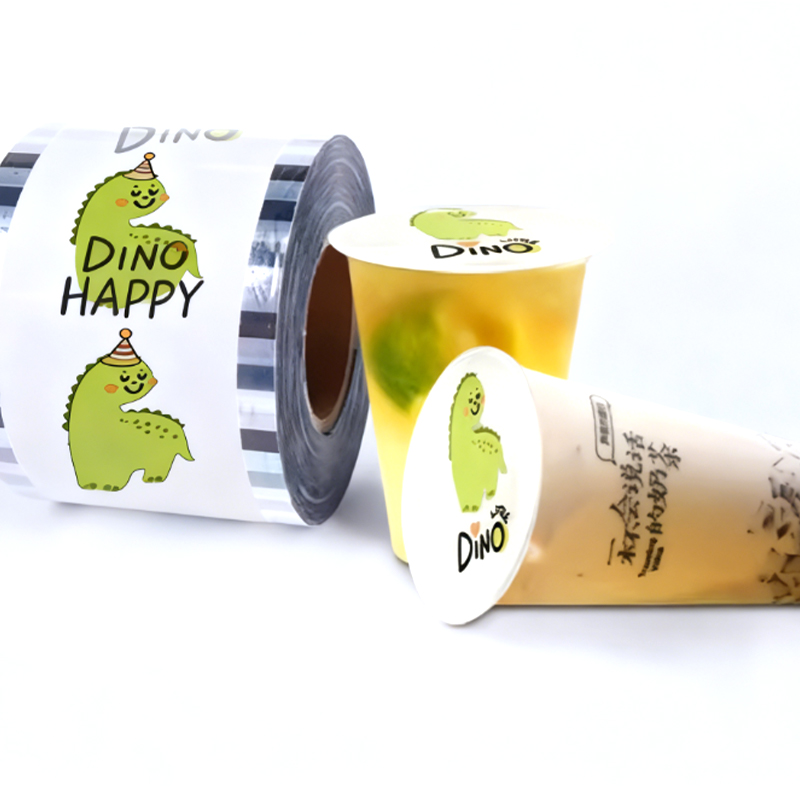
As a subsidiary of Fengda Group and a national high-tech enterprise in China, Hangzhou Zhiwei Packaging has operated since 1989. We hold ISO 9001, ISO 14001, and BRC certifications, and we manufacture a broad range of packaging including sealing films for milk tea and PP cups, high-barrier rollstock, and standard lidding films. Our factory in Longgang, known as China's "printing city," combines decades of process knowledge with modern equipment for printing, lamination, and slitting.
We encourage every serious buyer to begin with a sample request and a clear specification. Sending us your tray material data and line speed is the fastest way to receive an honest recommendation—even if the correct answer is a film structure you did not initially expect. Our team will work with you to trial the film on your line and adjust. Contact us for a quotation with your tray details and you will receive a prompt, practical response.
Frequently Asked Questions About Lidding Film Manufacturers
Q1: What shelf life can a typical lidding film provide?
A1: From 7-14 days for non-barrier films up to 30-60 days with high-barrier EVOH structures under modified atmosphere packaging.
Q2: Can lidding films be microwaved?
A2: Yes, with specially engineered venting structures. Always verify the film is certified for microwave use without a spark risk.
Q3: How do I request a free lidding film sample?
A3: Contact the supplier with your tray material and dimensions. A reputable manufacturer will request your line speed and seal temperature.
Q4: Are custom printed lidding films possible?
A4: Yes, rotogravure and digital printing are available. The film's surface energy and coating must match your ink system.