

 LANGUAGE

 English
  Español
Different Types of Food Packaging Bags: A Complete Guide
Content
- 1 What Are Food Packaging Bags and Why the Right Type Matters
- 2 Main Types of Food Packaging Bags at a Glance
- 3 Stand Up Pouches and Flat Bottom Pouches for Everyday Products
- 4 Zipper Pouches and Spout Pouches for Convenience and Control
- 5 Vacuum Pouches and Valve Bags for Extended Freshness and Bulk Handling
- 6 Pet Food Pouches and Other Specialty Packaging Formats
- 7 Materials Commonly Used Across Food Packaging Bag Types
- 8 Growing Demand for Flexible Food Packaging Pouches
- 9 Comparing Bag Types by Performance Factors
- 10 How to Choose the Right Food Packaging Bag Type for Your Product
- 11 Custom and Printed Food Packaging Bags for Brand Presentation
- 12 Working with a Food Packaging Bags Supplier or Manufacturer
- 13 About Hangzhou Zhiwei Packaging Technology Co., Ltd.
- 14 Frequently Asked Questions
What Are Food Packaging Bags and Why the Right Type Matters
Food packaging bags are flexible containers built to store, protect, and transport food products while preserving freshness, hygiene, and shelf life. The main types of food packaging bags include stand up pouches, flat bottom pouches, zipper pouches, spout pouches, vacuum pouches, valve bags, and pet food pouches, each matched to a different food category and handling need. Choosing the correct format affects how long a product stays fresh on a shelf, how it looks at retail, and how easily it survives shipping and storage.
Understanding the full range of food packaging bag types helps brand owners, product developers, and procurement teams avoid a common mistake: choosing a bag style based on appearance alone rather than the product it needs to hold. A powder, a liquid sauce, and a frozen cut of meat each behave differently inside a bag, so the format has to match the product before printing, sizing, or branding decisions come into play.
Main Types of Food Packaging Bags at a Glance
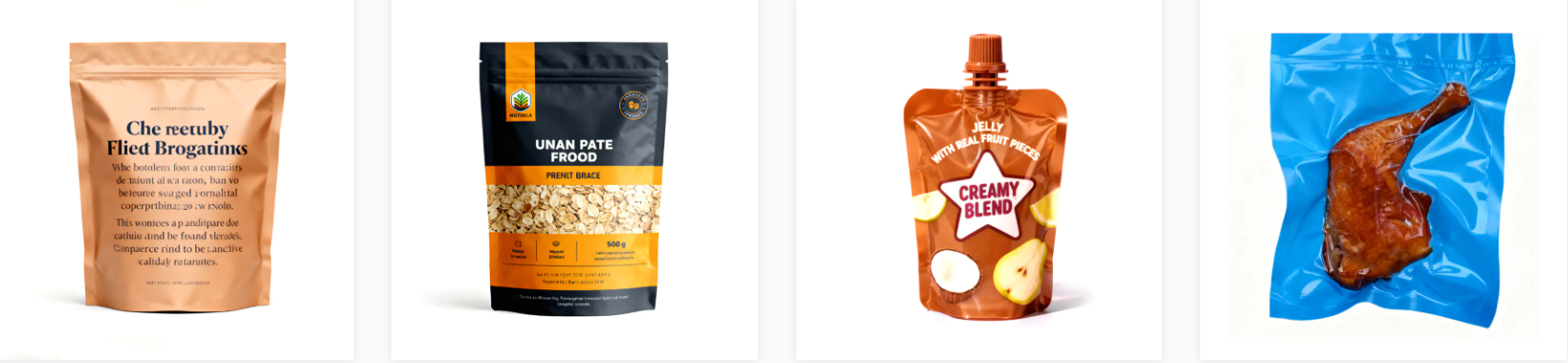
The list below summarizes the seven bag formats covered in this guide, from everyday snack packaging to specialty formats built for liquids and pet food.
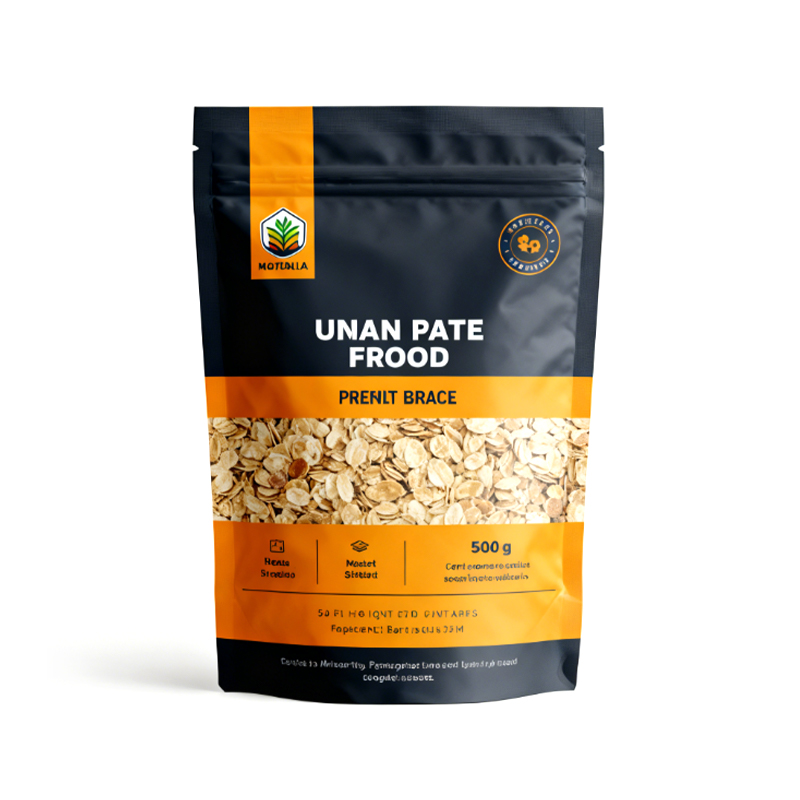
- Stand up pouches - self supporting bags with a wide flat base, common for snacks, coffee, and grains.
- Flat bottom pouches - a box like base for maximum shelf presence and stable stacking.
- Zipper pouches - resealable closures that let a product be opened and closed many times.
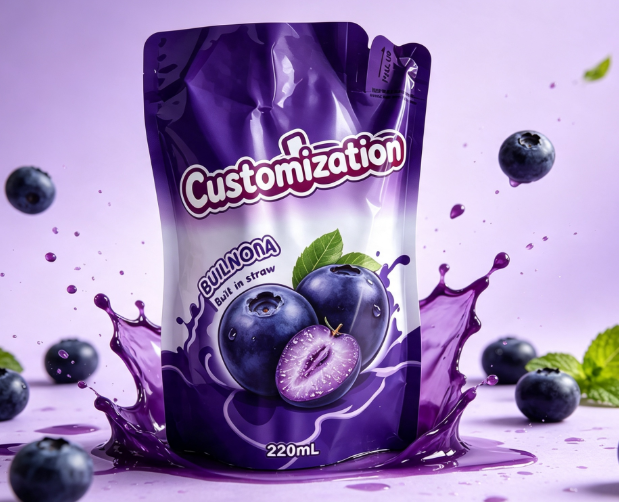
- Spout pouches - a built in spout and cap for sauces, purees, and pourable foods.
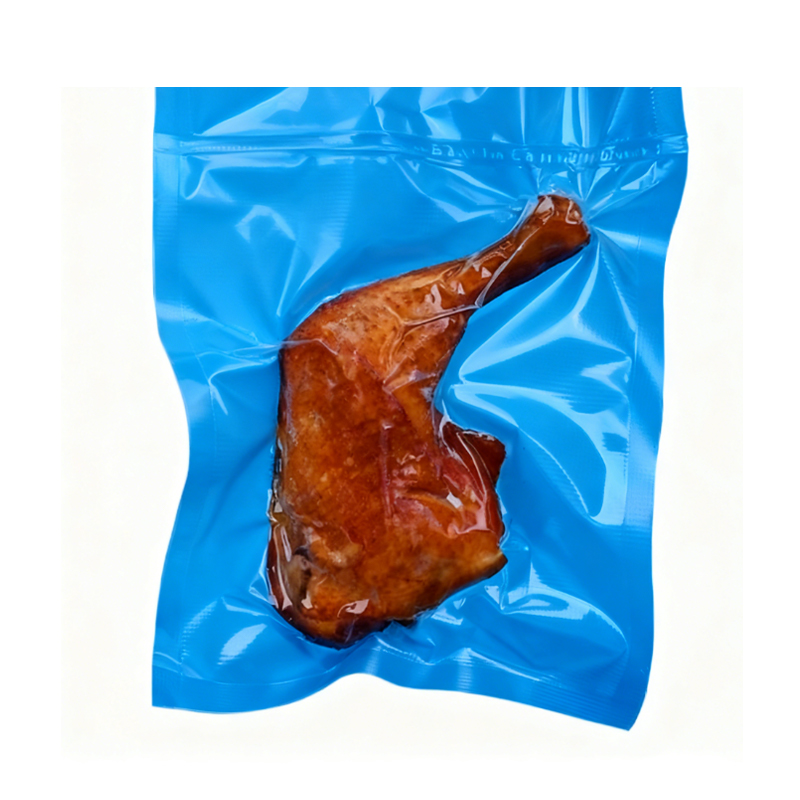
- Vacuum pouches - air is removed before sealing to extend freshness of meat and seafood.
- Valve bags - a one way valve releases gas while keeping outside air from entering, often used for roasted coffee.
- Pet food pouches - heavy duty flexible bags built for kibble, treats, and wet pet food.
Stand Up Pouches and Flat Bottom Pouches for Everyday Products
Stand up pouches
A stand up pouch uses a gusseted base that lets the bag hold its shape on a shelf without a box or tray. This format is a common choice for snacks, coffee, tea, dried fruit, and grains because it combines a large front panel for branding with a compact footprint during shipping.
Flat bottom pouches
A flat bottom pouch takes the stand up concept further with a squared, box like base. The wider footprint improves stability on crowded shelves and gives a more premium, rigid appearance, which is why many coffee roasters and specialty snack brands prefer this format for their flagship products.
Zipper Pouches and Spout Pouches for Convenience and Control
Zipper pouches
A zipper pouch includes a press to close track along the top opening, allowing a consumer to reseal the bag after each use. This feature is especially useful for snacks, cereal, pet treats, and other products that are eaten or used over several days rather than all at once.
Spout pouches
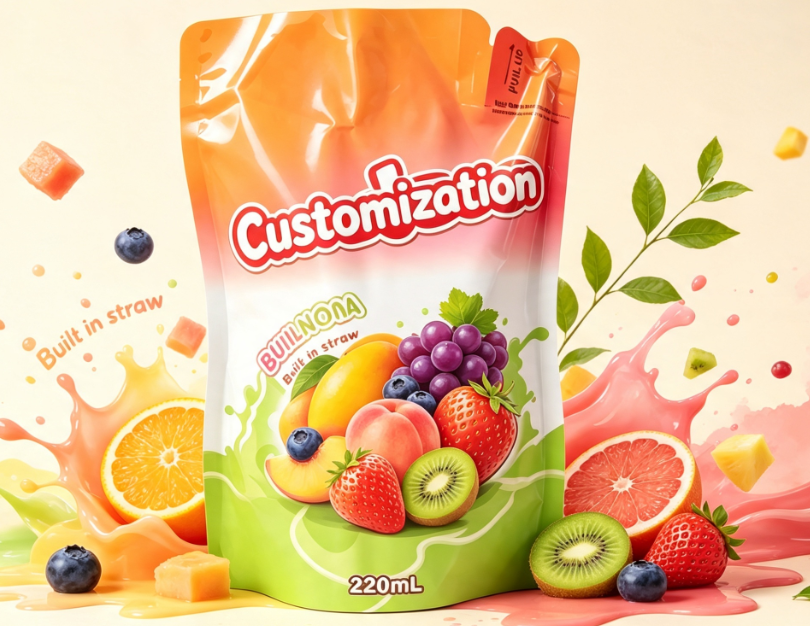
A spout pouch adds a molded spout and cap to a flexible bag, making it suitable for sauces, purees, syrups, and other pourable foods. The spout gives consumers a controlled pour and an easy reseal, while the flexible body still saves material and storage space compared with a rigid bottle.
Vacuum Pouches and Valve Bags for Extended Freshness and Bulk Handling
Vacuum pouches
A vacuum pouch has air removed from the bag before it is sealed, which slows oxidation and helps meat, seafood, and cheese stay fresh for longer in refrigerated or frozen storage. The tight fit around the product also reduces the space the package takes up in a freezer or cold room.
Valve bags
A valve bag includes a one way degassing valve, most often seen on roasted coffee packaging. The valve lets carbon dioxide escape after roasting without letting outside oxygen back in, which keeps the coffee fresher for a longer window after packing. Valve bags are also useful for other freshly processed foods that continue to release gas after packaging, and many facilities order them as part of a bulk food packaging bags supply plan to keep production lines running without frequent reorders.
Pet Food Pouches and Other Specialty Packaging Formats
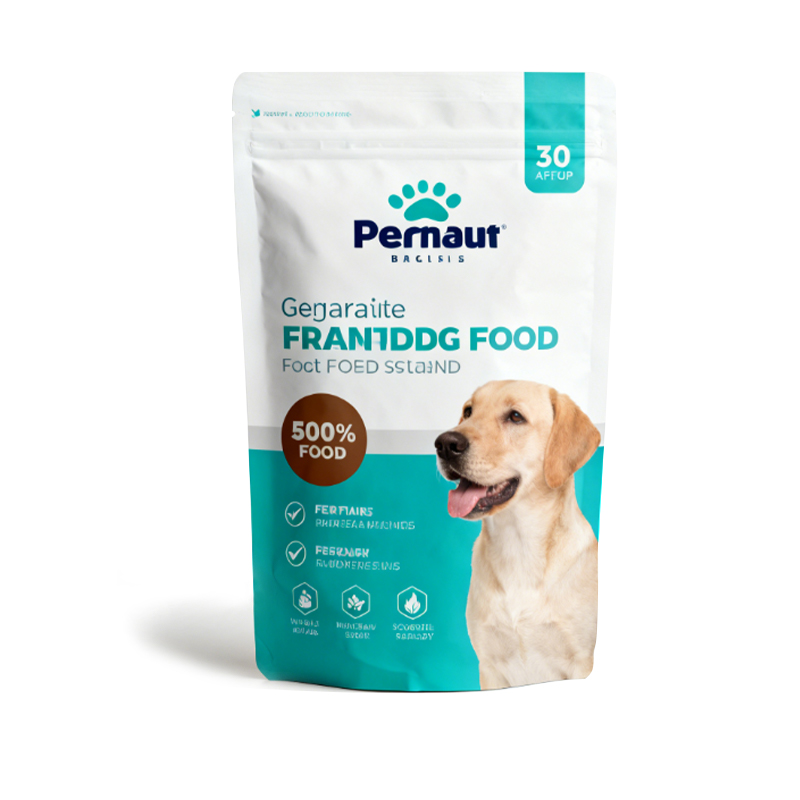
Pet foods pouches are built for a different kind of daily use than most human food packaging. Kibble, treats, and wet pet food packaging need to withstand repeated handling, resist punctures from sharp edges inside a bag, and often include a reinforced zipper for pet owners who open the bag several times a day. Many pet food brands also request gusseted side panels for extra stability when a heavy bag is set down on a store shelf or in a pantry.
Because pet food packaging shares many production steps with human food pouches, from lamination to sealing, a single food packaging bags manufacturer can often produce both categories on the same equipment, which simplifies sourcing for brands that sell more than one type of product.
Materials Commonly Used Across Food Packaging Bag Types
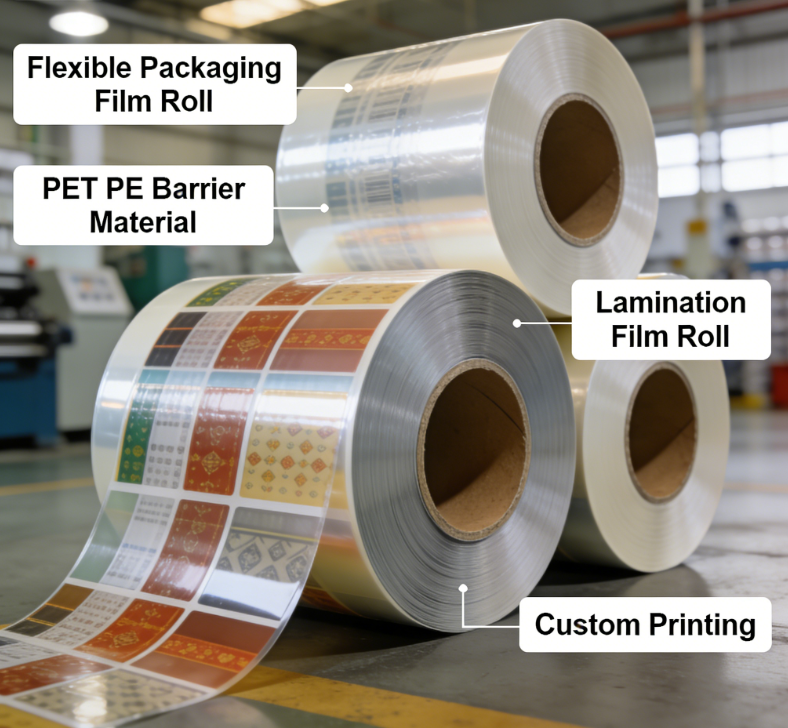
The material structure of a bag determines how well it blocks moisture, oxygen, and light, and how the finished pouch feels in a customer's hand. Most food packaging bags are built from a laminate of two or more of the materials listed below rather than a single layer.
| Material | Common Role in the Bag | Typical Use Case |
|---|---|---|
| PE (Polyethylene) | Inner sealant layer | Snack bags, frozen food bags |
| PP (Polypropylene) | Clarity and stiffness | Grain and dry snack pouches |
| PET | Print surface and strength | Coffee and tea pouches |
| BOPP | Gloss finish and barrier support | Snack food and confectionery bags |
| Nylon | Puncture resistance | Vacuum pouches for meat and seafood |
| Aluminum foil laminate | Light and oxygen barrier | Coffee, spice, and long shelf life bags |
Typical Material Mix Across Food Packaging Bag Orders
Approximate material share across a general mix of food packaging bag orders.
Food grade plastic layers used for direct food contact are manufactured to meet food safety standards, which is why sourcing from an established food grade plastic bags supplier matters just as much as choosing the right bag shape.
Growing Demand for Flexible Food Packaging Pouches
Flexible pouches have steadily replaced rigid jars, cans, and boxes across several food categories. Lighter shipping weight, smaller storage footprint, and the resealable options offered by zipper and spout formats all support this shift, alongside growing snack and ready to eat food consumption.
Relative Growth in Flexible Pouch Demand, 2021 to 2026
Index value starting at 100 in 2021, reflecting the general upward trend in flexible food packaging pouch orders.
This pattern lines up with three practical shifts in the food industry: more single serve and on the go snack formats, more direct to consumer shipping that benefits from lighter packaging, and more brands offering resealable formats so a product stays fresh across multiple servings.
Comparing Bag Types by Performance Factors
Stand up pouches, flat bottom pouches, and vacuum pouches each perform differently across barrier protection, shelf appeal, storage efficiency, customization ease, and reusability. The comparison below shows how these three common formats stack up against each other.
Comparing Three Bag Formats Across Five Factors
Relative scoring across five practical factors, on a scale of low to high.
Vacuum pouches lead in barrier protection but score lower on shelf appeal and reusability once opened. Stand up and flat bottom pouches trade a small amount of barrier performance for stronger shelf presence, easier customization, and, when fitted with a zipper, better reusability for the end consumer.
How to Choose the Right Food Packaging Bag Type for Your Product
A short checklist helps narrow down the right format before moving on to size, printing, and finishing details.
- Is the product solid, powder, liquid, or a mix, since this affects whether a spout, zipper, or plain seal is needed.
- Does the product release gas after packing, which points toward a valve bag rather than a standard seal.
- Will the product be eaten or used over several sittings, favoring a zipper pouch over a single use seal.
- Does the product need maximum shelf stability, which favors a flat bottom pouch over a standard stand up pouch.
- Will the product be frozen or vacuum stored, which points toward a nylon based vacuum pouch structure.
- Is the order volume large enough to justify working directly with a wholesale food packaging bags program rather than smaller repeat orders.
Custom and Printed Food Packaging Bags for Brand Presentation
Once the bag format is settled, most brands move on to customization. Custom food packaging bags typically involve decisions around size, printed artwork, color, material structure, and bag shape, all of which affect how the finished product looks and performs on a shelf.
- Custom sizes to match portion weight and shelf space.
- Logo printing and full color artwork for brand recognition.
- Color choices that support product line differentiation.
- Material selection based on barrier needs and shelf life targets.
- Bag shape options, from stand up to flat bottom to spout formats.
Working with an experienced printed food packaging bags manufacturer makes it easier to keep print colors consistent across repeat orders, which matters for brands that reorder the same packaging multiple times a year.
Working with a Food Packaging Bags Supplier or Manufacturer
Sourcing decisions matter as much as the bag design itself. A few practical questions help evaluate a potential food packaging bags supplier or food packaging bags manufacturer before placing a first order.
| Consideration | Why It Matters |
|---|---|
| Range of bag formats offered | Supports multiple product lines from one source |
| Material and structure options | Matches barrier needs across different food categories |
| Printing and finishing capability | Keeps brand artwork consistent across reorders |
| Support for bulk and wholesale orders | Keeps production lines supplied without frequent gaps |
| Sample and prototype process | Confirms fit and appearance before a full production run |
About Hangzhou Zhiwei Packaging Technology Co., Ltd.
Hangzhou Zhiwei Packaging Technology Co., Ltd. is a subsidiary of Fengda Group, founded in 1989 in Longgang, a region long associated with printing and packaging production and positioned near the Shanghai and Ningbo ports for efficient logistics. With more than three decades of experience in flexible packaging, the company produces stand up zipper pouches, spout pouches, roll stock films, and custom designed packaging for the apparel, medical, cosmetics, and food sectors, including pet food, snacks, and coffee.
The company maintains an in house research and development team and a structured quality control process across each stage of production, from material selection to final printing and sealing. As a long established food packaging bags manufacturer, Hangzhou Zhiwei Packaging Technology Co., Ltd. works with brand owners on both standard formats and custom projects, supporting everything from small trial runs to larger wholesale and bulk production orders.
Frequently Asked Questions
Q1. What are food packaging bags
Food packaging bags are specially designed bags used to store, protect, and transport food products while maintaining freshness, hygiene, and shelf life.
Q2. What materials are used for food packaging bags
Common materials include PE, PP, PET, BOPP, nylon, and aluminum foil laminated materials, often combined in layers for added protection.
Q3. Are plastic food packaging bags safe for food
Yes. Food grade plastic packaging bags are manufactured according to food safety standards and are suitable for direct food contact.
Q4. What types of food can use packaging bags
Applications include snacks, coffee, tea, frozen food, meat, seafood, grains, and pet food.
Q5. Can food packaging bags be customized
Yes. Manufacturers usually provide custom sizes, logo printing, color choices, material options, and different bag shapes.
Q6. Can food packaging bags handle both dry and liquid products
Yes. Stand up and flat bottom pouches suit dry goods, while spout pouches are built for sauces, purees, and other pourable foods.