

 LANGUAGE

 English
  Español
Stand Up Pouches vs Flat Pouches for Pet Food: Which Is Better?
Content
- 1 Stand Up Pouches vs Flat Pouches for Pet Food: The Direct Comparison
- 2 What Is a Stand Up Pet Food Pouch
- 3 What Is a Flat Pouch for Pet Food
- 4 Structural Comparison at a Glance
- 5 Comparing Stand Up and Flat Pouches Across Key Metrics
- 6 Storage Space and Shipping Efficiency
- 7 Which Pouch Format Fits Different Pet Food Categories
- 8 Barrier Protection and Freshness Retention
- 9 Branding, Printing, and Shelf Presentation
- 10 Behind the Pouch: Manufacturing at Hangzhou Zhiwei Packaging
- 11 Frequently Asked Questions About Pet Food Pouches
Stand Up Pouches vs Flat Pouches for Pet Food: The Direct Comparison
A stand up pet food pouch is generally the better fit for retail shelves because it holds its shape upright, displays printed graphics fully facing the customer, and keeps the pouch stable once opened for repeated scooping. A flat pouch for pet food tends to work best for shipping, sample sizes, single serve treats, or products packed flat inside outer cartons where shelf standing is not the priority. Neither format is universally correct, and the right choice depends on the pet food category, the fill weight, and how the product will actually sit once it reaches a shelf or a shipping case.
This comparison looks at structure, shelf behavior, storage and logistics, material use, barrier performance, and category fit, so a pet food brand or private label buyer can match the pouch style to how the product is actually sold and used.
What Is a Stand Up Pet Food Pouch
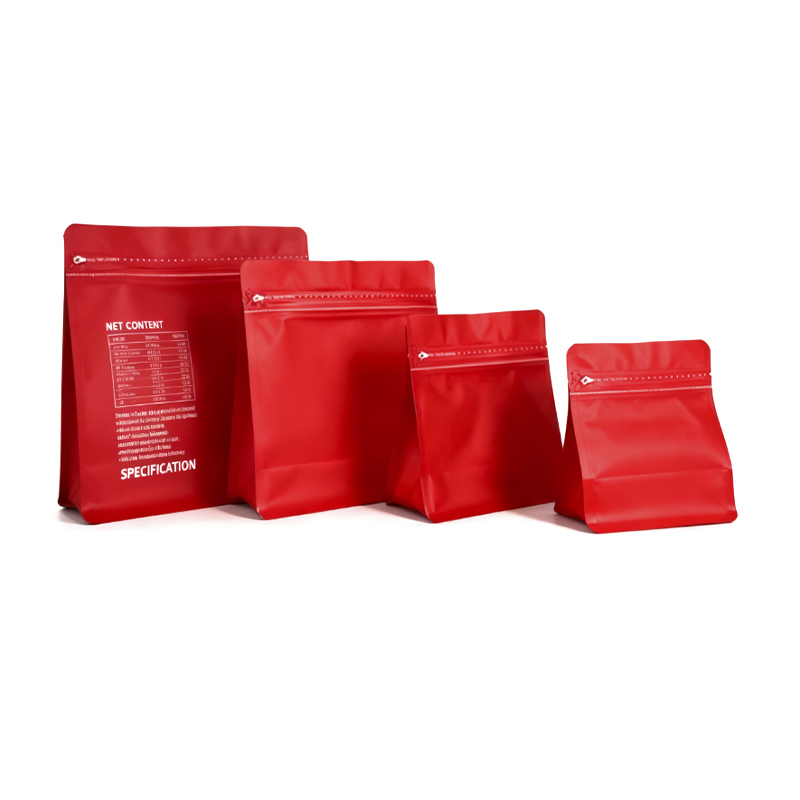
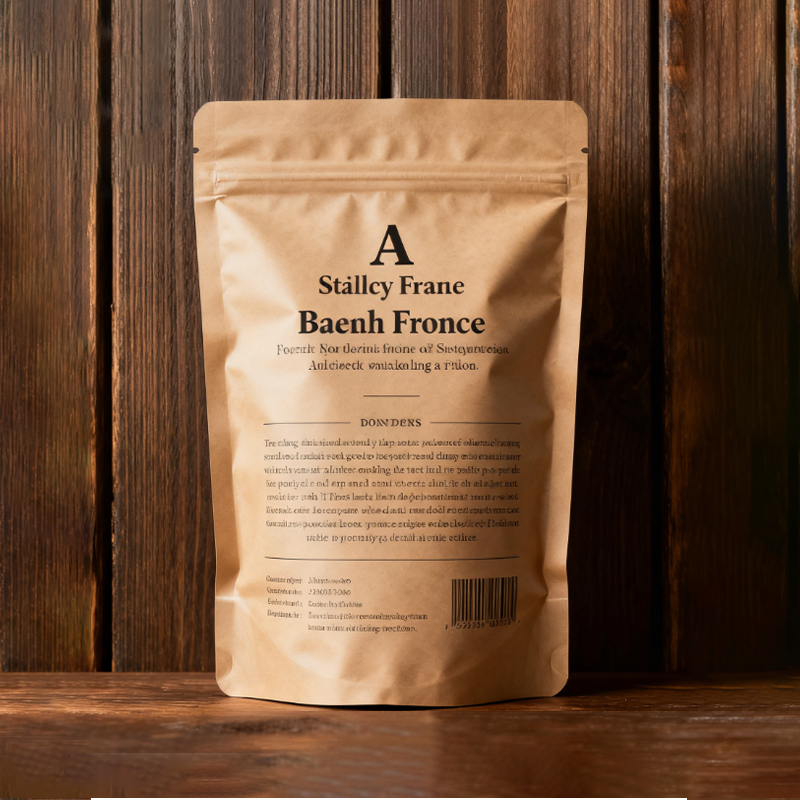
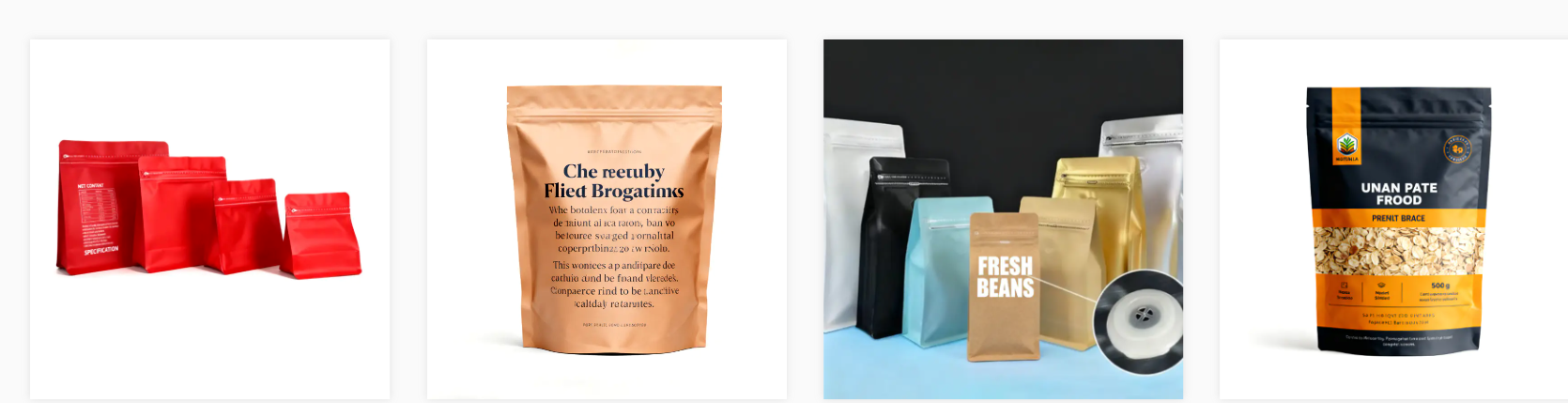
A stand up pet food pouch uses a wide, gusseted bottom panel that folds out to form a flat base, allowing the filled pouch to stand upright on a shelf without any outer support. This structure is common across dry pet food packaging bags, freeze dried pet food packaging, and many pet treat packaging pouch formats where the product needs to sit face-forward at retail.
Typical Features of a Stand Up Format
- A bottom gusset that expands to create a stable standing base
- A large front and back print surface for branding and product information
- Options for a resealable zipper, tear notch, or spout depending on the product inside
- A wider fill opening that suits kibble, freeze-dried pieces, or treats
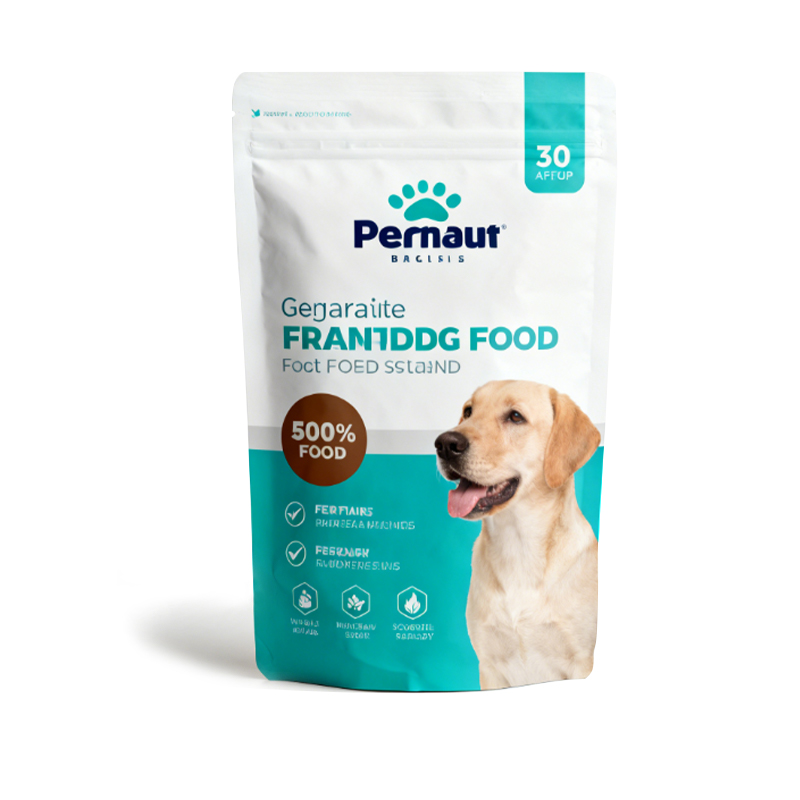
A dog food stand up pouch, for example, typically includes a resealable zipper strip along the top so the bag can be closed between feedings, which helps keep kibble fresh once the original seal is broken.
What Is a Flat Pouch for Pet Food
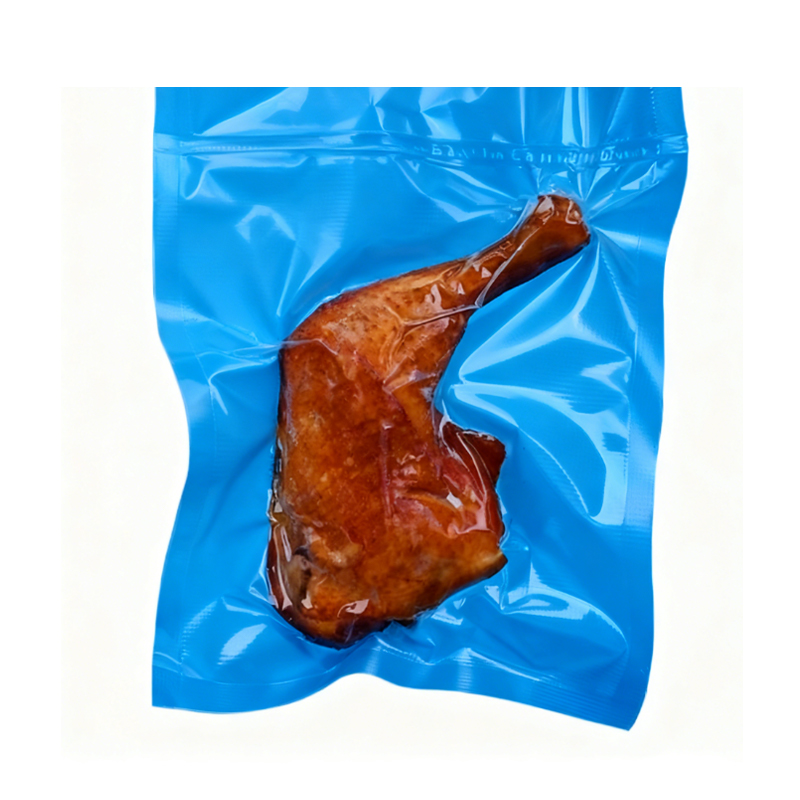
A flat pouch for pet food is a simpler two-panel or three-side seal structure without a standing gusset. It lies flat on a surface rather than standing upright, which makes it efficient for packing into cartons, shipping in bulk, or presenting single-serve wet pet food pouch portions and treat samples where shelf-standing display is not required.
Where Flat Pouches Are Commonly Used
- Single serve wet food or gravy pouches meant to be torn open and used immediately
- Sample packets and trial sizes distributed alongside larger products
- Bulk or foodservice fill formats packed inside an outer case rather than displayed loose
- Pet treat packaging pouch formats for small, lightweight portions
Because a flat pouch uses less film area per unit than a gusseted stand up bag of the same fill weight, it is often chosen for smaller portion sizes where material efficiency matters more than shelf-standing display.
Structural Comparison at a Glance
| Feature | Stand Up Pouch | Flat Pouch |
|---|---|---|
| Shelf standing ability | Stands upright unsupported | Lies flat, needs outer support to stand |
| Print surface area | Larger front, back, and gusset area | Smaller front and back area only |
| Typical fill range | Small bags through large multi-pound bags | Single serve through mid-size portions |
| Reclose options | Zipper closures are common and practical | Usually single use, tear and pour |
| Common pet food fit | Dry kibble, freeze-dried, treats | Wet food, gravy toppers, samples |
Comparing Stand Up and Flat Pouches Across Key Metrics
Beyond a feature checklist, it helps to see how the two formats compare across the metrics that actually influence a packaging decision: shelf visibility, storage efficiency, material use per unit, freshness barrier once resealed, and available print space.
Relative comparison of stand up and flat pet food pouches across five practical packaging metrics
Storage Space and Shipping Efficiency
Before filling, both pouch styles ship flat and stack efficiently, but once filled the two formats behave differently in a warehouse or on a retail shelf. A flat pouch typically nests more closely together in a shipping case because it has no fixed base, while a stand up pouch takes up a defined footprint but does not require a shelf tray or an outer box to remain upright at point of sale.
General efficiency pattern for stand up pouch handling across shipping and retail stages
For brands running high volume co-packing lines, this tradeoff often becomes a practical question for an OEM pet food packaging supplier to help balance: a pet food packaging supplier that understands both fill line speed and shelf presentation can recommend gusset width and base size that suit the specific filling equipment being used.
Which Pouch Format Fits Different Pet Food Categories
Pet food spans several distinct product categories, and each one tends to lean toward one pouch style based on texture, moisture content, and how the product is used once opened.
General pattern of stand up versus flat pouch preference across common pet food categories
Dry pet food packaging bags and freeze dried pet food packaging lean heavily toward the stand up format because the product needs a resealable, shelf-standing bag that survives repeated opening. Wet pet food pouch formats and single-portion cat food retort pouch products more often use a flat structure since the entire pouch is typically emptied in one use.
Branding, Printing, and Shelf Presentation
Retail shelf presence often tips the decision toward a stand up pouch, since the wider front panel and visible gusset give more room for logo placement, feeding guidelines, and ingredient callouts. A printed pet food pouch manufacturer can typically run high-resolution graphics across the full front and back panel of a stand up bag, while a flat pouch offers a smaller but still usable print area suited to simpler labeling.
Design Elements That Work Well on Each Format
- Stand up pouches suit large brand marks, pet imagery, and feeding charts across the full front panel
- Flat pouches suit compact labeling with product name, flavor, and a short ingredient list
- Both formats support matte, gloss, or soft-touch finishes depending on the brand positioning
- Clear front windows can be added to either format for select dry treats and freeze-dried products
Behind the Pouch: Manufacturing at Hangzhou Zhiwei Packaging
Hangzhou Zhiwei Packaging Technology Co., Ltd., a subsidiary of Fengda Group, has operated as a flexible packaging manufacturer since 1989 from its base in Longgang, a region long known for its printing and packaging industry cluster, with straightforward access to the Shanghai and Ningbo ports for outbound logistics.
As a China pet food pouch factory, the company produces stand-up zipper bags, spout pouches, roll stock films, and eco-friendly packaging options, serving pet food alongside snacks, coffee, cosmetics, and other flexible packaging categories. Working as a pet food pouch manufacturer within this wider product range allows shared film sourcing, printing capability, and lamination expertise to carry across categories.
For brands seeking a China pet food pouch factory that can support both formats, the company's structure supports custom pet food pouches in stand up and flat formats, with gusset sizing, film structure, and closure style adjusted to the specific dry, wet, freeze-dried, or treat product being packed.
Frequently Asked Questions About Pet Food Pouches
Q1What is the difference between a stand up pouch and a flat pouch
A stand up pouch has a gusseted base that lets it stand upright on a shelf, while a flat pouch lies flat and typically works better for shipping, samples, or single serve portions.
Q2What types of pet food can be packed in pouches
Common categories include dry pet food, wet pet food, freeze-dried pet food, pet treats, and both cat food and dog food formulas across a range of fill sizes.
Q3What is a retort pet food pouch
A retort pouch uses a laminate built to withstand high-temperature processing, which allows wet pet food to be cooked and sealed inside the pouch for shelf-stable storage.
Q4How long do pet food pouches keep products fresh
Freshness duration depends on the film barrier structure and closure type rather than pouch shape alone, with high-barrier laminates generally supporting a longer shelf life.
Q5Are pet food pouches recyclable
Recyclability depends on the specific film structure used, and eco-friendly film options are increasingly available for brands looking to reduce packaging environmental impact.
Q6Can pet food pouches be custom printed with branding
Yes, both stand up and flat pouches can be printed with custom graphics, logos, and feeding information, with stand up formats generally offering a larger print area.