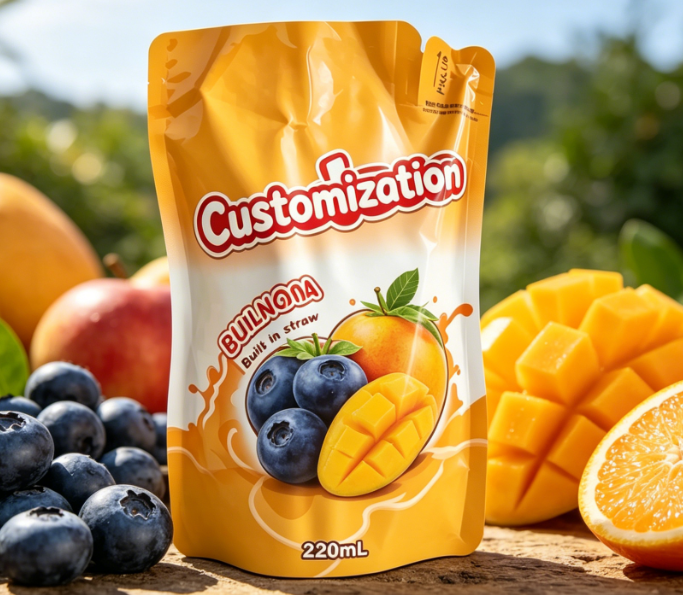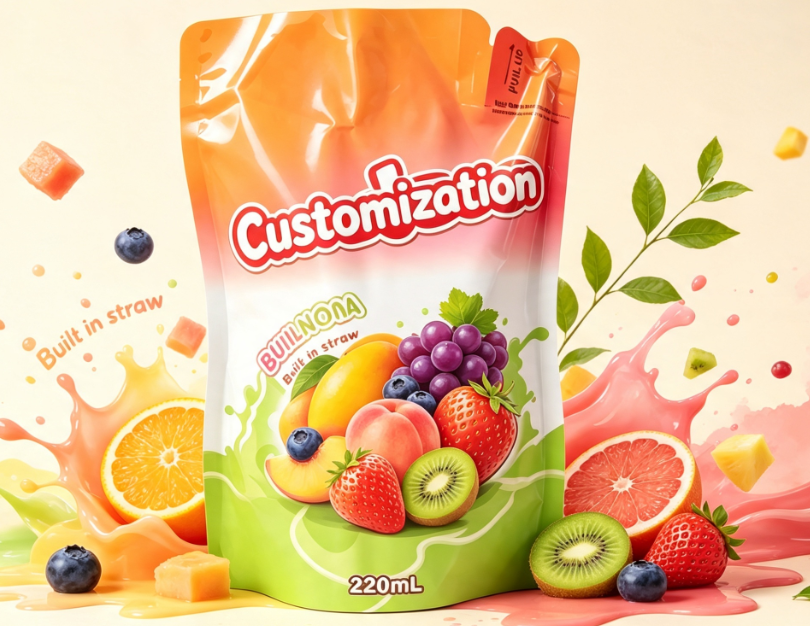


 LANGUAGE

 English
  Español
What is flexible food packaging?
Content
- 1 What Is Flexible Food Packaging
- 2 Core Materials Used In Food Flexible Packaging
- 3 Key Benefits Of Flexible Packaging Over Rigid Formats
- 4 Common Types Of Food Bag Packaging
- 5 Market Growth And Adoption Trends
- 6 Flexible Versus Rigid Packaging Performance
- 7 Applications Across Food Categories
- 8 Printing And Branding On Food Bag Packaging
- 9 Sustainability In Flexible Packaging
- 10 How To Choose A Food Flexible Packaging Manufacturer
- 11 About Our Flexible Packaging Production
- 12 Frequently Asked Questions
What Is Flexible Food Packaging
Flexible food packaging is a category of packaging made from pliable materials such as plastic film, laminated paper, and thin aluminum foil that can be shaped, sealed, and filled without depending on a rigid outer structure. Unlike jars, cans, or boxes, a flexible packaging pouch bends and folds around the product inside it, which is why bags, sachets, wraps, and stand up pouches all fall under this same classification.
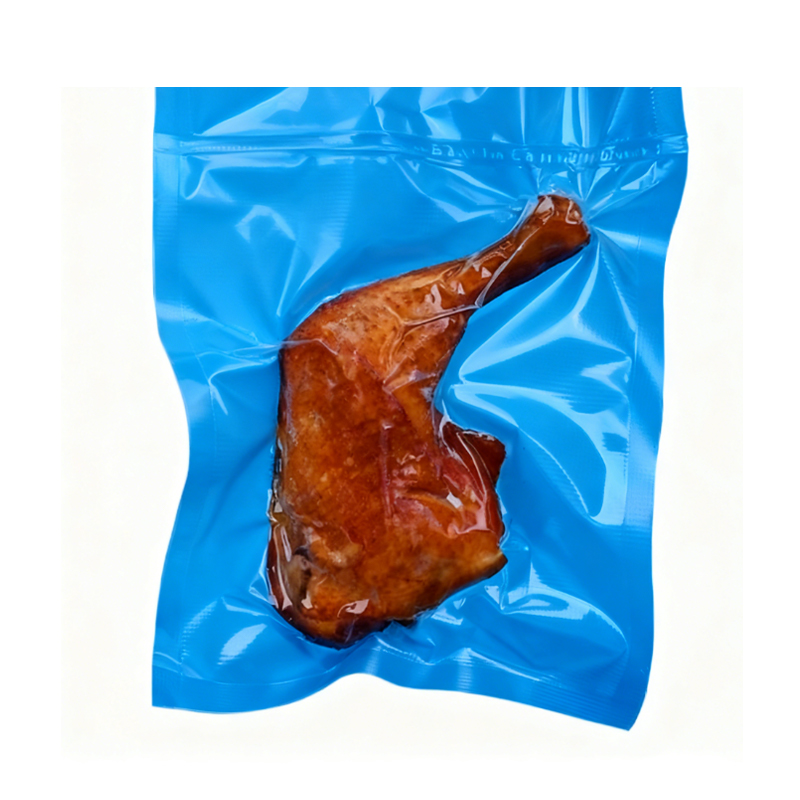
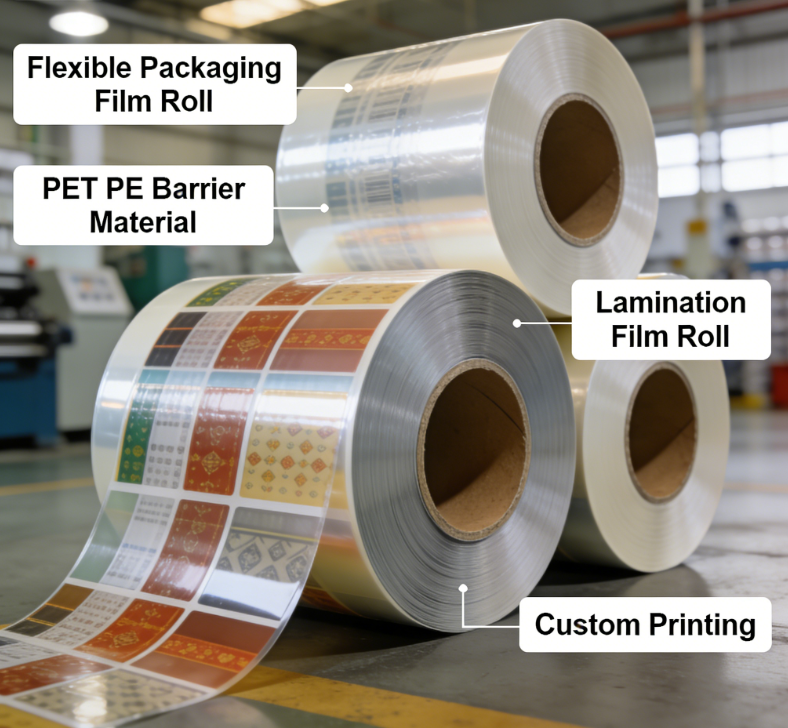
The term covers a broad product family, including food bag packaging for snacks and pet food, spouted pouches for sauces and liquids, roll stock film for automated filling lines, and lidding film for trays. What links these formats together is a layered film structure engineered to manage oxygen, moisture, and light exposure while keeping the finished pack lightweight and simple to transport.
In practical terms, flexible packaging gives food brands a way to combine barrier protection, shelf appeal, and portion control inside a format that lies flat before filling and takes up far less warehouse space than glass or metal containers.
Core Materials Used In Food Flexible Packaging
Most food flexible packaging is built from two or more film layers laminated together, with each layer contributing a specific function such as sealing, printing, strength, or barrier protection. The table below summarizes the materials most commonly found inside a typical food bag packaging structure.
| Material Layer | Primary Function | Typical Application |
|---|---|---|
| Polyethylene film | Heat sealing and moisture resistance | Inner layer of most food bag packaging |
| Biaxially oriented polypropylene | Print clarity and surface stiffness | Snack bag exteriors |
| Polyester film | Puncture resistance and tensile strength | Outer layer of laminated pouches |
| Aluminum foil | Light and oxygen barrier | Coffee and long shelf life snacks |
| EVOH barrier resin | High oxygen barrier | Sauces and processed meat pouches |
| Kraft paper | Recyclable outer layer | Eco friendly food bag packaging |
Key Benefits Of Flexible Packaging Over Rigid Formats
Food brands moving from jars, cans, or boxes toward pouches and bags usually do so because flexible packaging reduces material use while improving how a product travels through the supply chain. The advantages below explain why food bag packaging has become the standard choice for snacks, pet food, and ready meals.
- Lighter shipping weight, which lowers freight volume compared with glass or metal containers
- Flat, stackable shapes before filling that reduce warehouse storage space
- Barrier films that slow oxygen and moisture transfer, extending usable freshness
- Wide print surface area suited to detailed branding and nutritional labeling
- Resealable zippers and spouts that support portion control after opening
- Compatibility with high speed automated filling and sealing lines
Common Types Of Food Bag Packaging
Not every flexible pack is built the same way. Selecting the right format depends on the product texture, fill weight, and whether the pack needs to stand upright on a retail shelf.
Stand Up Pouches
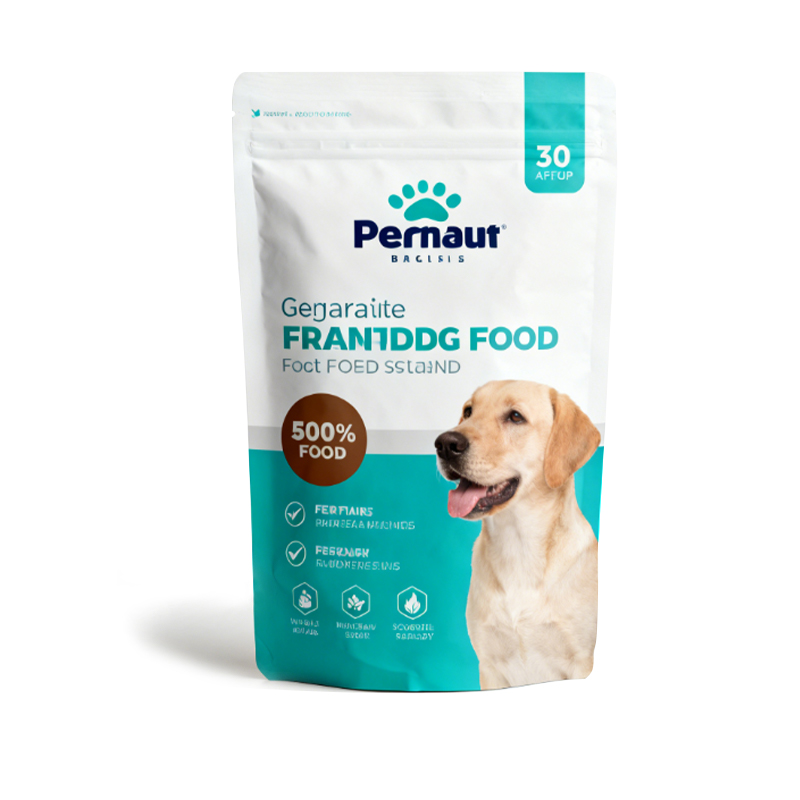
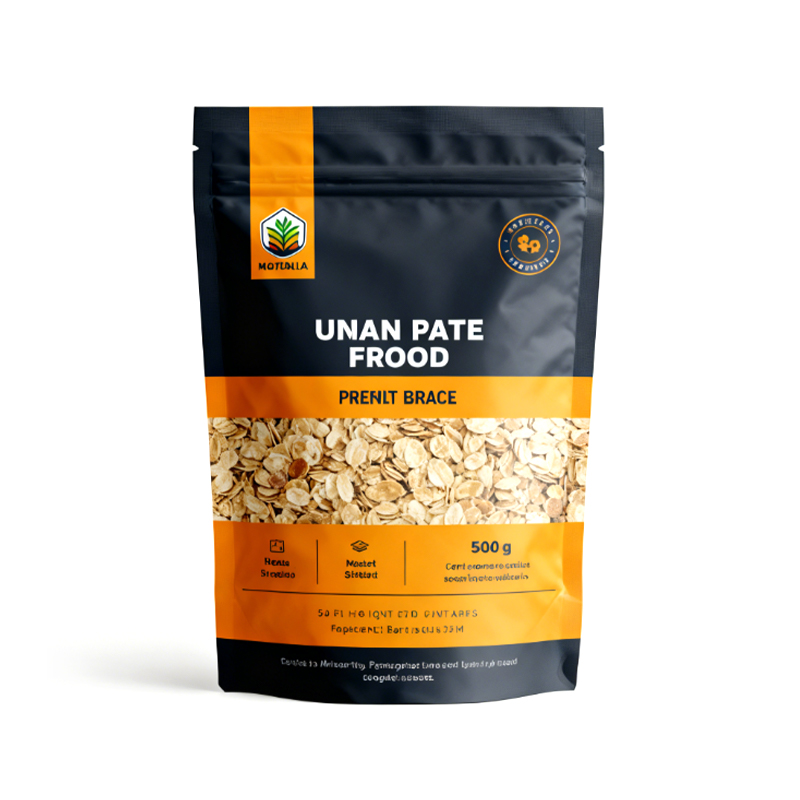
A self supporting bag with a flat bottom gusset, widely used for coffee, snacks, and pet food because it stands upright on shelves and often includes a zipper for resealing.
Flat And Gusseted Bags
Simple two panel or side gusseted bags used for bulk snacks, frozen vegetables, and bakery items where shelf standing is not required.
Spouted Pouches
Pouches fitted with a plastic spout and cap, commonly used for sauces, baby food, and liquid condiments that require pouring and reclosing.
Roll Stock Film
Continuous film supplied on a roll for form fill seal machines, used heavily in candy, chip, and snack production lines.
Market Growth And Adoption Trends
Demand for Food Flexible Packaging has continued to climb as packaged food consumption rises across urban markets. Industry market research places global food flexible packaging revenue at roughly one hundred billion United States dollars in 2025, with projections trending toward the low one hundred fifty billion range by 2035, supported by a compound annual growth rate near four percent. Growth is closely tied to demand for resealable, portable formats among busy households and to expansion of frozen and ready to eat food categories.
Flexible Versus Rigid Packaging Performance
The comparison below illustrates why flexible packaging tends to outperform rigid packaging on weight efficiency, storage space, and print customization, while rigid formats can still hold an edge in stacking strength for certain heavy or fragile products.
Applications Across Food Categories
Food bag packaging appears across nearly every packaged food aisle, and its share of demand varies by category depending on required shelf life and portion format.
Printing And Branding On Food Bag Packaging
Shelf appeal often decides whether a shopper picks up a package, which is why printed food packaging bags have become central to brand strategy. Two printing methods dominate the industry.
Flexographic Printing
A roll to roll process well suited to long production runs, offering consistent color output across large volumes of food bag packaging.
Digital Printing
A plate free process that allows smaller batch sizes, faster design changes, and short run customization, useful for seasonal packaging or limited edition flavors.
Beyond the printing method itself, matte or gloss film finishes, spot varnish, and window cutouts are frequently combined to differentiate a Food Bag Packaging design on a crowded retail shelf.
Sustainability In Flexible Packaging
Recyclability has become a leading design consideration for food flexible packaging. Mono material structures, where every layer is made from the same polymer family, are increasingly used because they are easier to process through existing recycling streams than mixed material laminates. Bioplastic film volumes within flexible packaging are also expanding at a faster pace than conventional plastic film, reflecting growing brand interest in renewable feedstocks.
| Approach | Description |
|---|---|
| Mono material film | Single polymer structure designed for simpler recycling |
| Downgauging | Reducing film thickness while maintaining barrier performance |
| Bio based film | Films derived partly from renewable plant based feedstocks |
| Paper based laminates | Kraft paper outer layer paired with a thin functional liner |
How To Choose A Food Flexible Packaging Manufacturer
Selecting a reliable food flexible packaging manufacturer or custom food packaging supplier involves more than comparing film samples. The checklist below outlines the areas worth reviewing before placing a production order.
- Confirm barrier performance testing is available for oxygen and moisture transmission rates
- Ask about minimum order quantities and lead times for custom printed film
- Review printing capability, including color matching and finish options
- Check whether the facility supports multiple pouch formats such as stand up, spouted, and flat bags
- Discuss material options including recyclable mono material and bio based films
- Evaluate quality management practices and production consistency across orders
About Our Flexible Packaging Production
Hangzhou Zhiwei Packaging Technology Co Ltd, a subsidiary of Fengda Group, was founded in 1989 in Longgang, an area long known within China for its printing and packaging industry, with convenient access to Shanghai and Ningbo ports for efficient logistics. As a national high tech enterprise with more than thirty years of experience as a flexible packaging manufacturer China based operation, our facility holds ISO 9001, ISO 14001 and BRC certifications.
Our product range includes stand up zipper bags, spout pouches, roll stock film, eco friendly packaging, and fully custom designs, serving apparel, medical, cosmetics, and food sectors including pet food, snacks, and coffee. As a stand up pouch manufacturer and food bag packaging supplier, we combine strict quality control with ongoing research and development to support brands seeking a dependable production partner, and we welcome inquiries about collaboration opportunities.
Frequently Asked Questions
| Q1. What materials are used in food flexible packaging Common layers include polyethylene, polypropylene, polyester, aluminum foil, EVOH barrier resin, and kraft paper, often laminated together for combined strength and barrier performance. |
Q2. Is flexible packaging food safe Films used for direct food contact are manufactured from food grade resins designed to meet applicable food contact material standards for the target market. |
| Q3. Why is flexible packaging better than rigid packaging It generally weighs less, folds flat before filling to save storage space, and offers a larger print surface for branding compared with glass or metal containers. |
Q4. How long does food stay fresh in flexible packaging Shelf life depends on the barrier layer selected, the product itself, and storage conditions, with high barrier laminates supporting longer freshness windows. |
| Q5. Does flexible packaging comply with food contact requirements Reputable manufacturers select resins and inks formulated to meet recognized food contact material requirements in the regions where the packaging will be sold. |
Q6. What certifications should food packaging have Buyers commonly look for suppliers operating under recognized quality and hygiene management systems as an indicator of consistent production standards. |
| Q7. Can food bag packaging be custom printed Yes, both flexographic and digital printing support custom colors, logos, and nutritional information across most flexible packaging formats. |
Q8. What is the difference between a pouch and a bag A pouch typically refers to a shaped, often self standing format such as a stand up pouch, while a bag usually describes a simpler flat or gusseted format. |